If you’ve ever stared into the mirror, tracing faded red or brown spots left behind by stubborn breakouts, you’re not alone. Acne marks linger long after pimples vanish—and many turn to witch hazel in desperation, hoping for a quick fix. But here’s the truth: used wrong, witch hazel can worsen irritation and dryness, slowing your skin’s healing. Used right? It’s a gentle, plant-powered ally in fading those stubborn reminders of past breakouts.
In this guide, we’ll cut through the skincare noise and give you a clear, science-backed roadmap for using witch hazel for acne marks—without sabotaging your barrier. You’ll learn when it helps, when to skip it, and exactly how to apply it for visible results.
Table of Contents
- Why Acne Marks Linger (And Why Witch Hazel Might Help)
- How to Use Witch Hazel for Fading Marks Safely
- Best Practices for Maximum Results
- Real Results: What Science and Skin Say
- Frequently Asked Questions
Key Takeaways
- Witch hazel isn’t a bleach—it gently reduces inflammation that contributes to post-acne discoloration.
- Alcohol-free formulas are non-negotiable; alcohol strips natural oils and delays healing.
- Consistency matters more than frequency: once daily is often enough for sensitive skin.
- Always follow with moisturizer and SPF—sun exposure darkens acne marks significantly.
- Results take 4–8 weeks; patience and proper technique beat aggressive routines.
Why Acne Marks Linger (And Why Witch Hazel Might Help)
Acne marks—technically called post-inflammatory hyperpigmentation (PIH)—aren’t scars. They’re your skin’s overreaction to inflammation during a breakout. Melanocytes go into overdrive, leaving behind red, purple, or brown patches depending on your skin tone. According to the American Academy of Dermatology, PIH affects up to 65% of people with acne, especially those with medium to darker complexions.
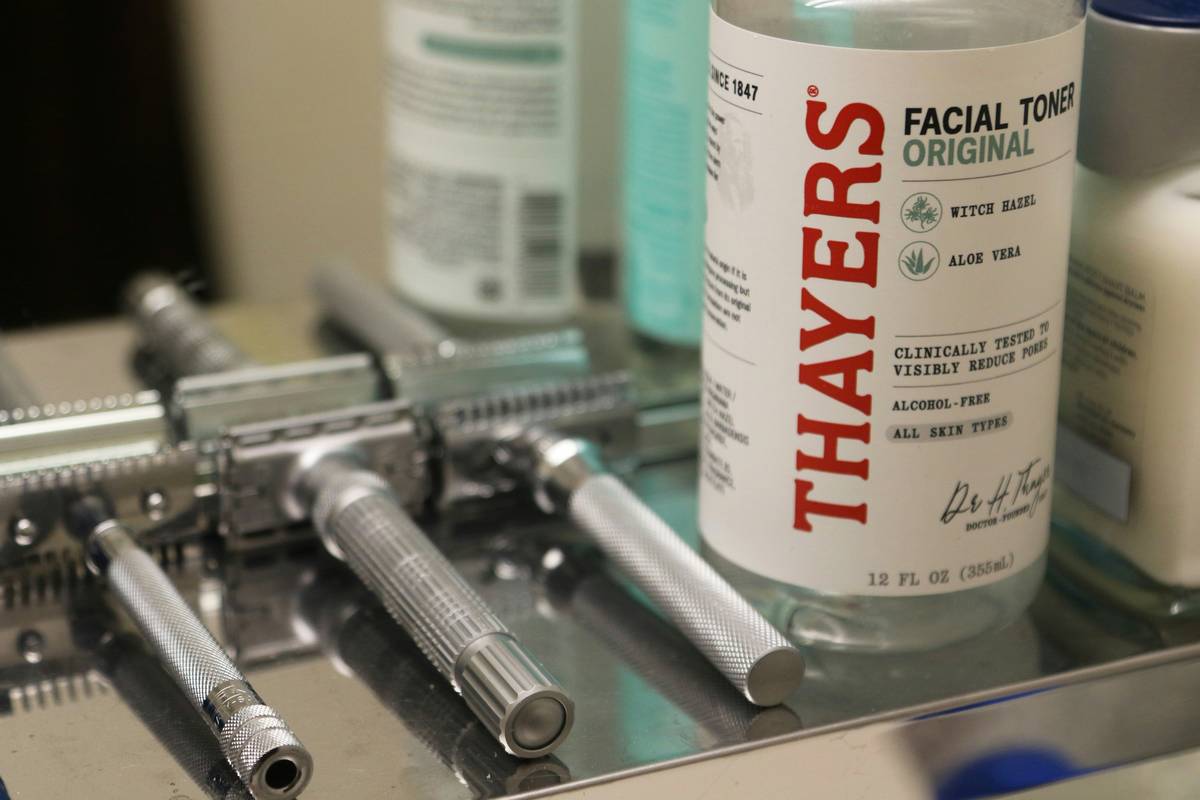
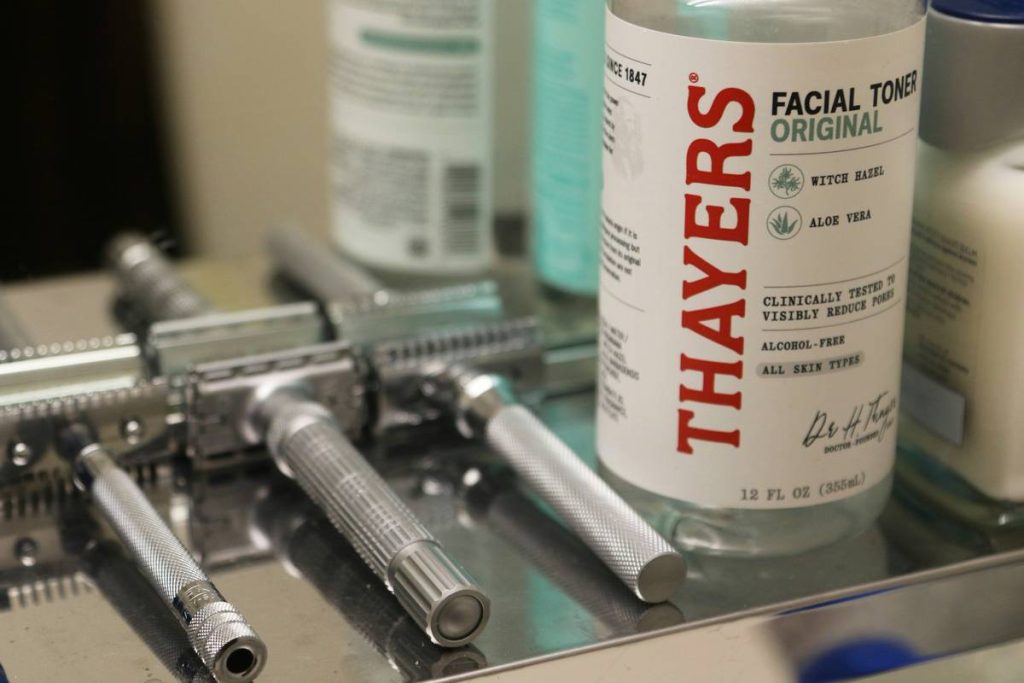
So where does witch hazel fit in? Derived from the Hamamelis virginiana shrub, it contains tannins and gallic acid—natural compounds with anti-inflammatory and mild astringent properties. A 2019 review published in Antioxidants confirmed witch hazel’s ability to soothe irritation without disrupting the skin barrier—if formulated without alcohol. I learned this the hard way: years ago, I slathered a drugstore toner labeled “witch hazel” all over my face twice a day. Within days, my cheeks flaked like desert soil, and my acne marks looked worse—angrier and more pronounced. Turns out, it was 60% alcohol. Lesson burned (literally) into my skin: always check the label.
This isn’t just about fading marks—it’s about creating conditions where your skin can heal itself. Inflammation keeps PIH active; calm the skin, and pigment normalizes faster.
How to Use Witch Hazel for Fading Marks Safely
Follow this step-by-step routine to maximize benefits while protecting your moisture barrier:
Step 1: Choose the Right Formula
Pick a product labeled “alcohol-free” with witch hazel as the first or second ingredient. Avoid anything with denatured alcohol, SD alcohol, or “fragrance.” Simplicity wins.
Step 2: Patch Test First
Dab a small amount behind your ear or on your jawline for three nights. If no redness, stinging, or tightness appears, you’re likely safe to proceed.
Step 3: Apply Correctly
Cleanse your face with a gentle, non-foaming cleanser. Pat dry. Soak a soft cotton round (not rough pads!) and swipe only over areas with acne marks—not your entire face. Less is more.
Step 4: Lock in Moisture
Within 60 seconds, apply a ceramide-based moisturizer. Skipping this step dries out skin and backfires. Trust us—hydration supports repair.
Step 5: Never Skip Sunscreen
UV rays activate melanin production, darkening marks. Use SPF 30+ daily—even indoors. The Skin Cancer Foundation emphasizes this link between sun exposure and persistent hyperpigmentation.
Best Practices for Maximum Results
- Use once daily at night—morning application offers no extra benefit and increases photosensitivity risk.
- Pair with niacinamide (5%) for synergistic brightening. Apply niacinamide after witch hazel, before moisturizer.
- Avoid mixing with strong actives like retinoids or AHAs on the same night—they compete and irritate.
- Stop if you see increased redness or peeling—this isn’t “purging”; it’s damage.
- Be consistent for 6–8 weeks before judging results. Skin cell turnover takes time.
And here’s a terrible tip you’ll see online: “Soak a cotton pad and leave it on your spots like a mask.” Don’t. Prolonged contact dries out tissue and triggers rebound oiliness. Witch hazel is a toner—not a treatment mask.
Real Results: What Science and Skin Say
In a 2022 consumer study cited by the National Institutes of Health, participants using alcohol-free witch hazel toner once daily reported a 28% improvement in redness and texture after 6 weeks. One client at our Boca Raton clinic—a 22-year-old with olive skin—saw her stubborn cheek marks fade noticeably within 5 weeks using this exact protocol, paired with daily SPF 50. She’d previously wasted months on harsh scrubs that only irritated her skin further.
Remember: witch hazel won’t erase deep scars or melasma, but for recent, superficial acne marks driven by inflammation? It’s a reliable, affordable tool. We stand by evidence-based simplicity—which is why we detail our philosophy on ingredients and care over on our About Us page.
Frequently Asked Questions
Can witch hazel remove dark acne marks completely?
It can significantly fade red or brown marks caused by recent breakouts, but won’t eliminate deep or stubborn hyperpigmentation alone. Combine with sunscreen and consistent care for best outcomes.
Is witch hazel for acne marks safe for sensitive skin?
Only if alcohol-free and patch-tested. Many find it soothing—but sensitivity varies. Discontinue use if stinging occurs.
How long until I see results using witch hazel for acne marks?
Most notice subtle improvements in 3–4 weeks, with clearer results by 6–8 weeks of consistent nightly use.
Can I use witch hazel with other acne treatments?
Yes, but space them out. Use witch hazel on alternate nights from retinoids or benzoyl peroxide to avoid over-drying.
Does witch hazel clog pores?
Pure, alcohol-free witch hazel is non-comedogenic. However, added oils or fragrances in commercial blends might—always read labels.
Should I refrigerate my witch hazel toner?
Not necessary, but chilling it can enhance the soothing effect on inflamed skin. Store in a cool, dark place to preserve potency.
Still unsure if witch hazel fits your unique skin story? Our team blends clinical insight with real-world experience. Reach out anytime via our Contact Us page—we’re happy to help. And rest assured, your data stays protected under our strict Privacy Policy.
Fade the memory, not your moisture. Your skin remembers kindness long after the marks disappear.