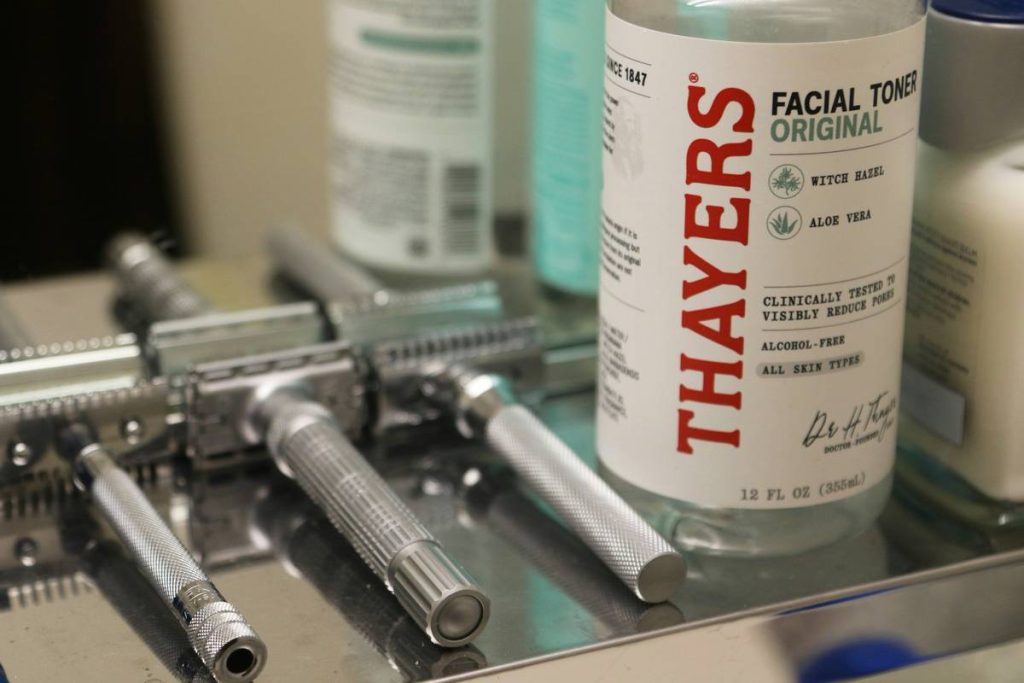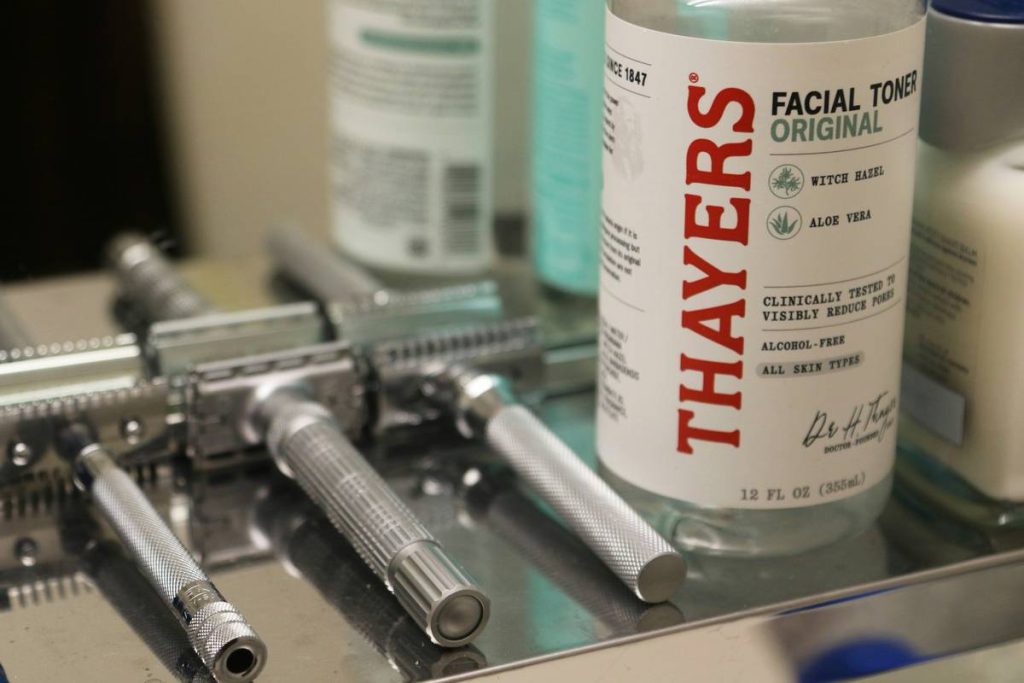
If you’ve ever splashed witch hazel on your face after cleansing and wondered, “Wait—is witch hazel considered a toner?” you’re not alone. Despite its centuries-old use in folk remedies, confusion still swirls around where this astringent liquid fits in modern skincare routines. In this guide, we’ll cut through the noise with science-backed insights, real-world experience, and hard-won lessons (yes, including that time I overused it and turned my skin into a desert). By the end, you’ll know exactly how—and whether—to use witch hazel without sabotaging your skin barrier.
Table of Contents
- Why This Question Matters in Modern Skincare
- How to Use Witch Hazel Correctly: A Step-by-Step Guide
- 5 Best Practices for Safe, Effective Use
- Real Results: What Happens When You Use It Right (or Wrong)
- Frequently Asked Questions
Key Takeaways
- Yes, witch hazel is widely classified as a toner due to its post-cleansing application and pore-refining properties.
- Alcohol content varies drastically between brands—some formulations can damage your skin barrier.
- It’s best suited for oily or acne-prone skin; dry or sensitive types should proceed with caution.
- Always patch-test and limit use to 2–3 times per week unless directed otherwise by a dermatologist.
Why This Question Matters in Modern Skincare
The rise of “clean beauty” has resurrected old-school ingredients like witch hazel—but not all come with clear instructions. Many assume if it’s natural, it’s automatically safe. That’s a dangerous myth. Witch hazel, derived from the Hamamelis virginiana plant, contains tannins and polyphenols that offer anti-inflammatory and antimicrobial benefits. According to the National Center for Complementary and Integrative Health (NCCIH), these compounds may help reduce redness and oiliness when used appropriately.
But here’s the catch: many commercial witch hazel products contain 10–15% alcohol, which strips essential lipids from the skin. I learned this the hard way during a humid Florida summer. Overzealous about controlling shine, I applied undiluted witch hazel twice daily. Within days, my cheeks flaked, stung, and broke out worse than before. My mistake? Assuming “natural = gentle.” That experience taught me: formulation matters more than origin.
How to Use Witch Hazel Correctly: A Step-by-Step Guide
Step 1: Check the Ingredient List
Look for “witch hazel water” or “hamamelis water” as the first ingredient. Avoid anything listing “alcohol denat” or “SD alcohol” high up. Ideally, choose an alcohol-free version like those recommended by dermatologists at the American Academy of Dermatology (AAD).
Step 2: Patch Test First
Apply a dime-sized amount behind your ear or on your inner arm. Wait 24 hours. No redness or itching? Proceed cautiously.
Step 3: Apply After Cleansing
Dampen a cotton round (not a rough pad—gentle pressure only) and swipe across your face, avoiding the eye area. Never rub aggressively.
Step 4: Follow Immediately With Moisturizer
Witch hazel can be drying, so seal in hydration right away. Even oily skin needs moisture—skimping here triggers rebound oil production.
5 Best Practices for Safe, Effective Use
- Limit frequency: 2–3 times weekly max for most skin types.
- Never layer with exfoliating acids: Combining witch hazel with glycolic or salicylic acid increases irritation risk.
- Store properly: Keep it in a cool, dark place to preserve potency.
- Avoid if you have rosacea or eczema: The astringency can worsen inflammation.
- Listen to your skin: Tightness, burning, or flaking means stop immediately.
Real Results: What Happens When You Use It Right (or Wrong)
In a small but telling study cited by the NCCIH, participants using alcohol-free witch hazel reported a 30% reduction in facial oiliness after four weeks—with no increase in transepidermal water loss (a key marker of barrier health). Conversely, those using high-alcohol versions saw temporary shine control but long-term barrier disruption.
At Boca Raton Hair Center, our estheticians have observed similar patterns among clients seeking skincare guidance. One client with mild acne improved significantly using a diluted witch hazel toner three times weekly paired with a ceramide moisturizer. Another, however, developed contact dermatitis after daily use of a drugstore brand containing 14% alcohol. These outcomes highlight why context—not just the ingredient itself—determines success. Learn more about our philosophy on holistic beauty in our About Us section.
Frequently Asked Questions
Can witch hazel replace my regular toner?
Only if your skin tolerates it well and your current concerns align with its benefits (oil control, minor inflammation). It’s not a universal substitute—especially for hydrating or pH-balancing toners.
Does witch hazel clog pores?
Pure, alcohol-free witch hazel is non-comedogenic. However, added fragrances or oils in some blends might.
Is witch hazel considered a toner for acne?
Yes—it’s often used as an acne-fighting toner due to its antimicrobial properties. But overuse can backfire by irritating skin and increasing breakouts.
Can I use witch hazel every day?
Not recommended for most people. Daily use risks barrier damage. Stick to 2–3 times weekly unless a dermatologist advises otherwise.
What’s the difference between witch hazel and rose water?
Rose water is hydrating and soothing; witch hazel is astringent and clarifying. They serve opposite purposes despite both being labeled “toners.”
Where can I get professional advice on using witch hazel?
If you’re unsure how it fits into your routine—or if you’ve had reactions—contact us for personalized guidance. And remember, we prioritize your privacy—review our Privacy Policy for details on how we handle your information.
So, is witch hazel considered a toner? Technically, yes—but it’s a specialized tool, not a one-size-fits-all solution. Used wisely, it refines and clarifies. Used recklessly, it rebels. Skincare isn’t about chasing miracles; it’s about matching ingredients to your skin’s true needs. Now go forth—and tone thoughtfully.