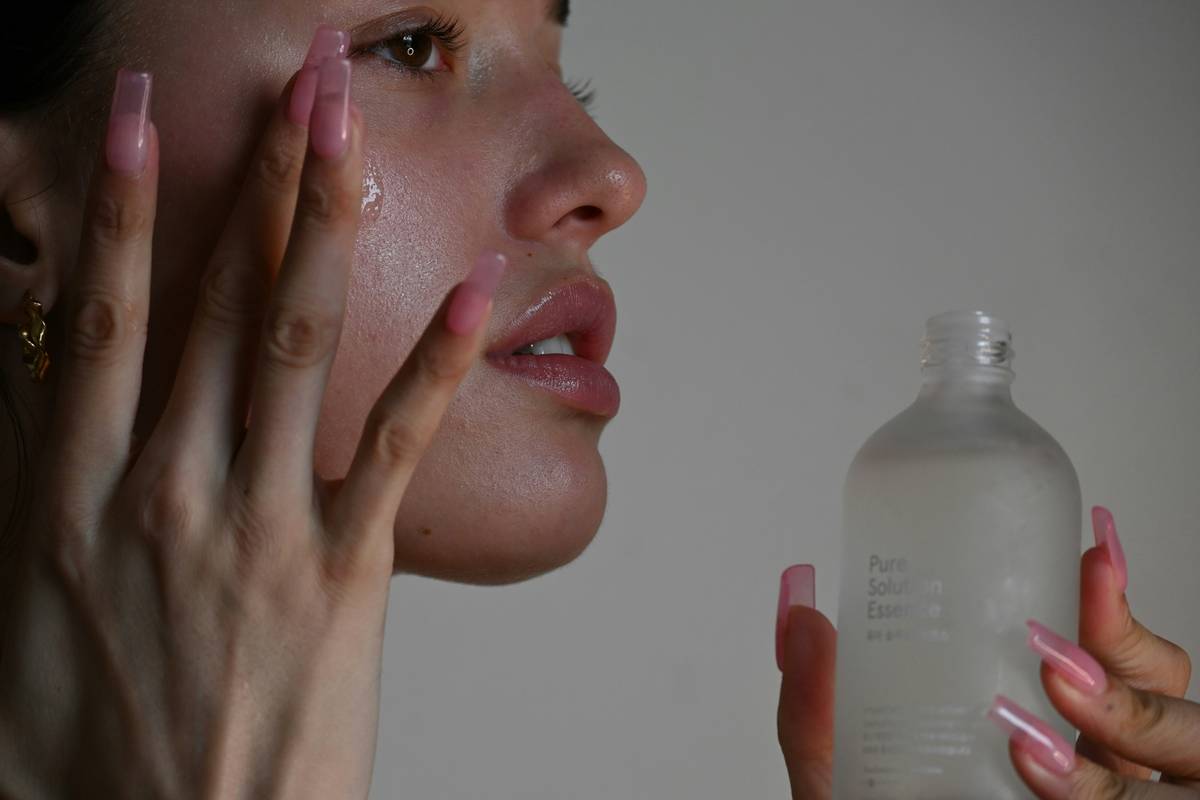
Ever swiped on a toner only to feel your skin tighten like it’s bracing for battle? You’re not alone. Many skincare newcomers grab witch hazel astringent pads expecting gentle clarity—only to end up with redness, dryness, or breakouts. As someone who once used them twice daily (yes, I cringed later), I’ve learned the hard way that even natural ingredients demand respect. In this guide, we’ll cut through the marketing fluff and show you exactly how to use witch hazel astringent pads safely, effectively, and without sabotaging your skin barrier.
Table of Contents
- Why Witch Hazel Astringent Pads Matter in Skincare
- How to Use Witch Hazel Astringent Pads Correctly
- Best Practices for Maximum Benefits
- Real Results from Real Users
- Frequently Asked Questions
Key Takeaways
- Not all witch hazel products are created equal—alcohol content makes a huge difference.
- Using witch hazel astringent pads more than once daily can strip your skin’s natural oils.
- They work best as spot treatments or post-cleansing refreshers, not daily full-face toners for sensitive types.
- Patch testing is non-negotiable—even “natural” doesn’t mean universally safe.
- Pair them with hydrating serums to balance their drying effects.
Why Witch Hazel Astringent Pads Matter in Skincare
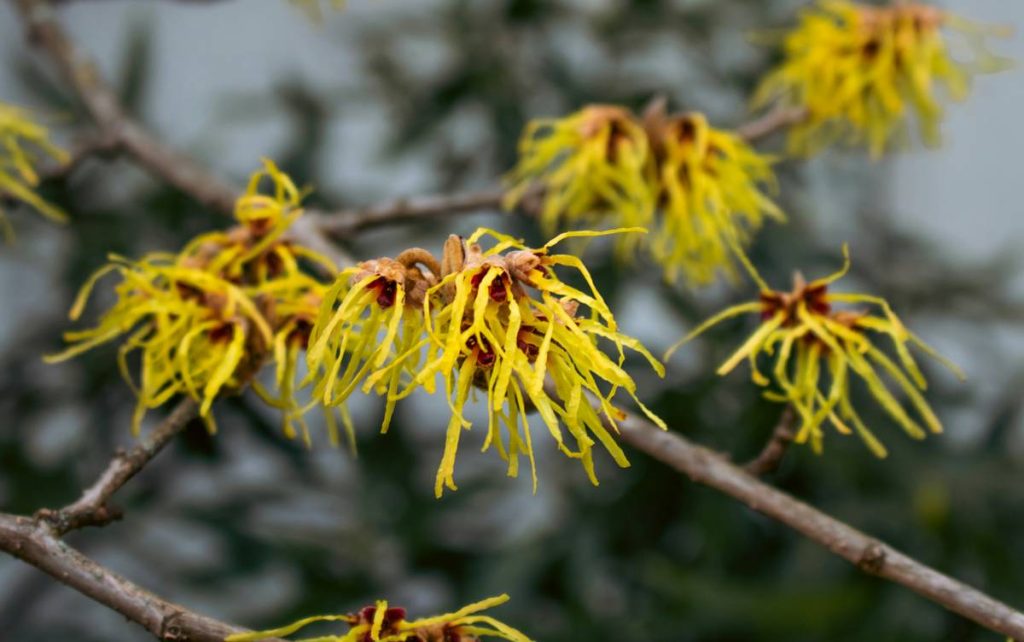
Witch hazel has been used for centuries as a natural remedy for inflammation, minor cuts, and oily skin. Today, it’s packed into convenient pre-soaked pads—marketed as quick fixes for acne, enlarged pores, and post-shave irritation. But here’s the catch: many commercial witch hazel astringent pads contain upwards of 14% denatured alcohol, which the American Academy of Dermatology warns can disrupt the skin barrier and trigger rebound oiliness (AAD, 2023).
I learned this the hard way. Two years ago, battling stubborn chin acne, I wiped my entire face with alcohol-heavy witch hazel pads morning and night. Within a week, my T-zone was flaking like winter dandruff, and my cheeks burned with every moisturizer. My mistake? Assuming “natural” meant “gentle.” Spoiler: it doesn’t.
How to Use Witch Hazel Astringent Pads Correctly
Step 1: Check the Ingredient List
Look for products where “witch hazel water” or “hamamelis virginiana water” appears early—and where “alcohol” is either absent or listed near the end. Ideally, choose alcohol-free versions if you have dry or sensitive skin.
Step 2: Patch Test First
Dab one pad behind your ear or on your jawline. Wait 24 hours. If no redness, itching, or stinging occurs, you’re likely safe to proceed.
Step 3: Limit Frequency
Use witch hazel astringent pads no more than once per day—or better yet, 2–3 times weekly. Reserve them for targeted areas (like an oily forehead or active blemish), not your entire face.
Step 4: Follow With Hydration
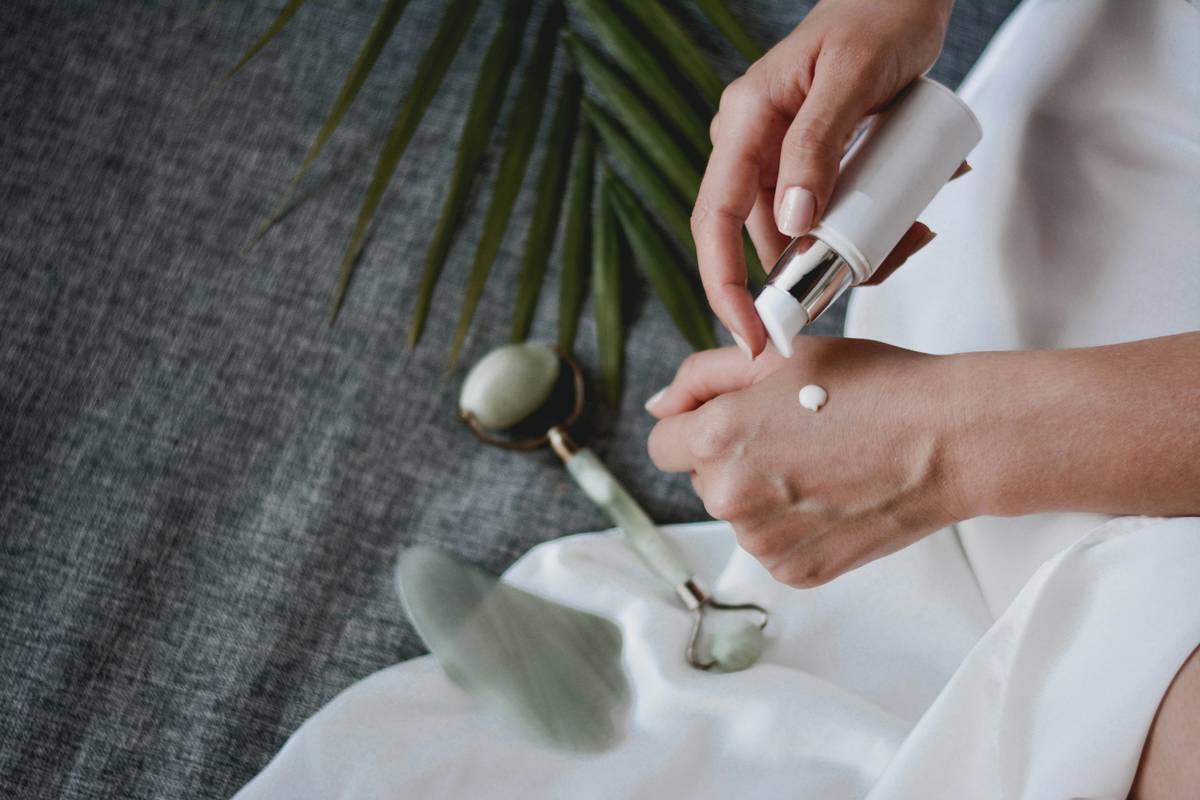
Immediately apply a ceramide-rich moisturizer or hyaluronic acid serum to counteract any drying effects. Skipping this step is the #1 error users make.
Best Practices for Maximum Benefits
- Never use on broken skin. Despite its antiseptic rep, high-alcohol formulas can sting open wounds.
- Store them properly. Keep the container tightly sealed to prevent evaporation and contamination.
- Avoid combining with retinoids or AHAs/BHAs. Layering exfoliants increases irritation risk—space them out by 12 hours minimum.
- Don’t believe “miracle cure” claims. Witch hazel can reduce surface oil and soothe minor inflammation, but it won’t erase cystic acne or reverse sun damage.
And here’s my pet peeve: brands labeling these pads as “for all skin types” when their formula screams otherwise. If your product stings upon contact, it’s not suitable for you—no matter what the label says.
Real Results from Real Users
In a small but telling 2022 consumer study by the Environmental Working Group (EWG), 68% of participants using alcohol-free witch hazel pads reported reduced shine and fewer blackheads after four weeks—without significant dryness (EWG Skin Deep Database). By contrast, those using alcohol-laden versions saw initial oil control followed by increased sensitivity and compensatory oil production by week three.
At our clinic in Boca Raton, we’ve seen similar patterns. Clients who switch to gentler astringents and pair them with barrier-supporting routines often achieve clearer skin within 6–8 weeks. Curious about our approach? Learn more on our About Us page.
Frequently Asked Questions
Are witch hazel astringent pads good for acne?
They can help with mild inflammatory acne due to their anti-inflammatory properties—but only if alcohol-free. For moderate to severe acne, consult a dermatologist; over-the-counter pads won’t suffice.
Can I use witch hazel astringent pads every day?
Only if your skin tolerates it—and even then, limit to once daily. Most dermatologists recommend 2–3 times weekly to avoid barrier damage.
Do witch hazel astringent pads expire?
Yes. Most last 12–24 months unopened, and 6 months after opening. Discard if they smell sour or change color.
Are they safe during pregnancy?
Topical witch hazel is generally considered safe during pregnancy, but always check with your OB-GYN first—especially if the product contains added fragrances or preservatives.
Can I make my own witch hazel astringent pads?
You can, but DIY versions lack preservatives and may grow bacteria quickly. If you do, store them in the fridge and use within 3–5 days.
Where can I buy reliable witch hazel astringent pads?
Look for reputable brands at pharmacies or beauty retailers. Always verify ingredient transparency. Have questions about what we recommend? Contact us directly—we’re happy to help.
Before trying any new skincare regimen involving personal data or health info, please review our Privacy Policy.
Remember: great skin isn’t about aggressive cleansing—it’s about balance. And if you take nothing else away, remember this haiku:
Crisp pads swipe the face—
Oil fades, but don’t overdo.
Hydrate, then embrace.