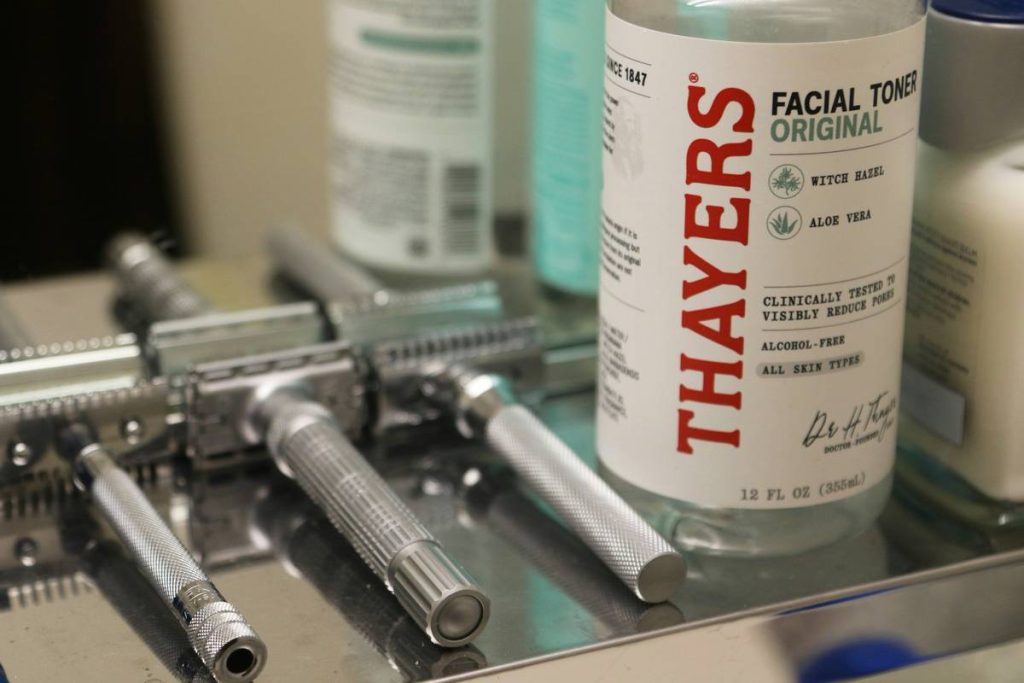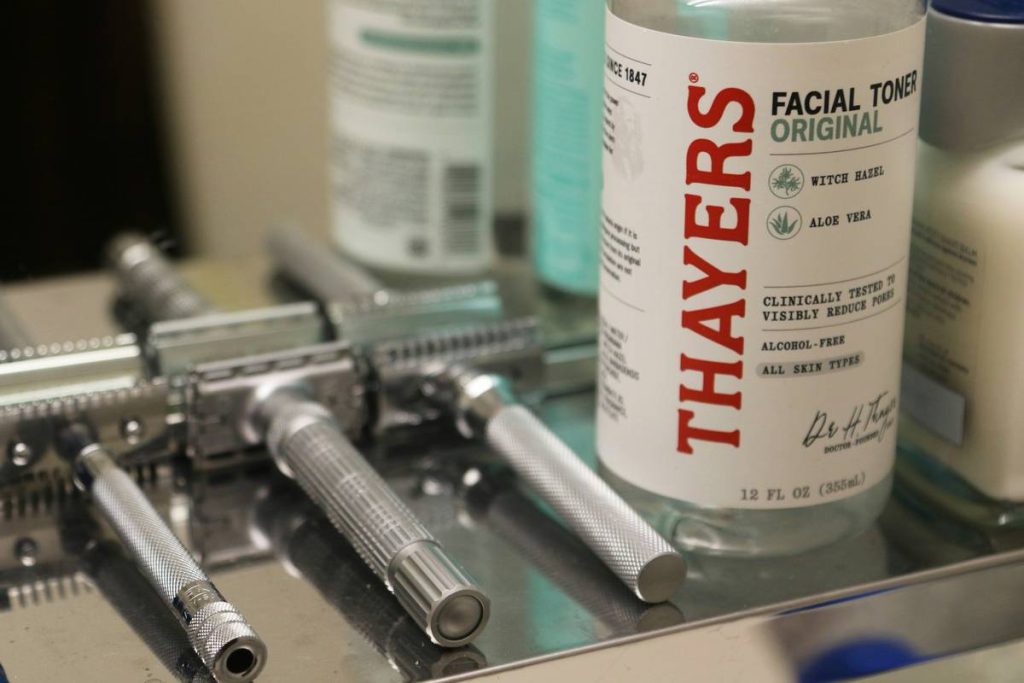
You wash your face, swipe on that trusty witch hazel for face toner—clear, crisp, with that sharp herbal zing—and wait for the glow. Instead? Tightness. Redness. Flakes by noon. Feels like betrayal, right? You followed the “natural” playbook to a T. But here’s the gut punch: most drugstore witch hazel toners aren’t healing your skin—they’re quietly stripping it bare.
Why Your Witch Hazel Toner Is Failing (And What Big Beauty Won’t Tell You)
Witch hazel isn’t inherently evil. Far from it. But the version sitting in your medicine cabinet? It’s likely 14% denatured alcohol masquerading as botanical wisdom. And that’s the core issue.
Cheap formulations prioritize shelf life and that “clean” tingle over skin barrier integrity. They pull water out of your epidermis faster than a desert breeze—not ideal if you’re battling dryness, rosacea, or even persistent acne. Your skin’s microbiome gets disrupted. Sebum production goes haywire. Suddenly, you’re stuck in a cycle: irritation → oil surge → breakouts → more toner. Rinse. Repeat.
How to Actually Use witch hazel for face toner Without Wrecking Your Barrier
The fix isn’t ditching witch hazel—it’s redefining how you source and apply it. Precision matters.
Check the Ingredient Deck Like a Pro
Flip that bottle. If “alcohol” appears in the top three ingredients, walk away. Full stop. Look for “hamamelis virginiana water” as the first ingredient—and ideally, zero added alcohols. Bonus points for glycerin, aloe, or hyaluronic acid tagging along to buffer the astringency.
Know Your Skin Type’s Breaking Point
Oily, resilient skin? You might tolerate occasional pure witch hazel as a spot treatment. But combination, dry, or sensitive? Straight witch hazel is a no-go. Dilute it—or better yet, choose a pre-formulated toner where witch hazel plays second fiddle to soothing agents.
Timing and Technique Are Everything
Never apply witch hazel toner to bone-dry skin. Mist first with thermal water or apply to damp skin post-cleanser. This minimizes transepidermal water loss. And skip the cotton pad—pat it in with clean hands. Less friction, less trauma.
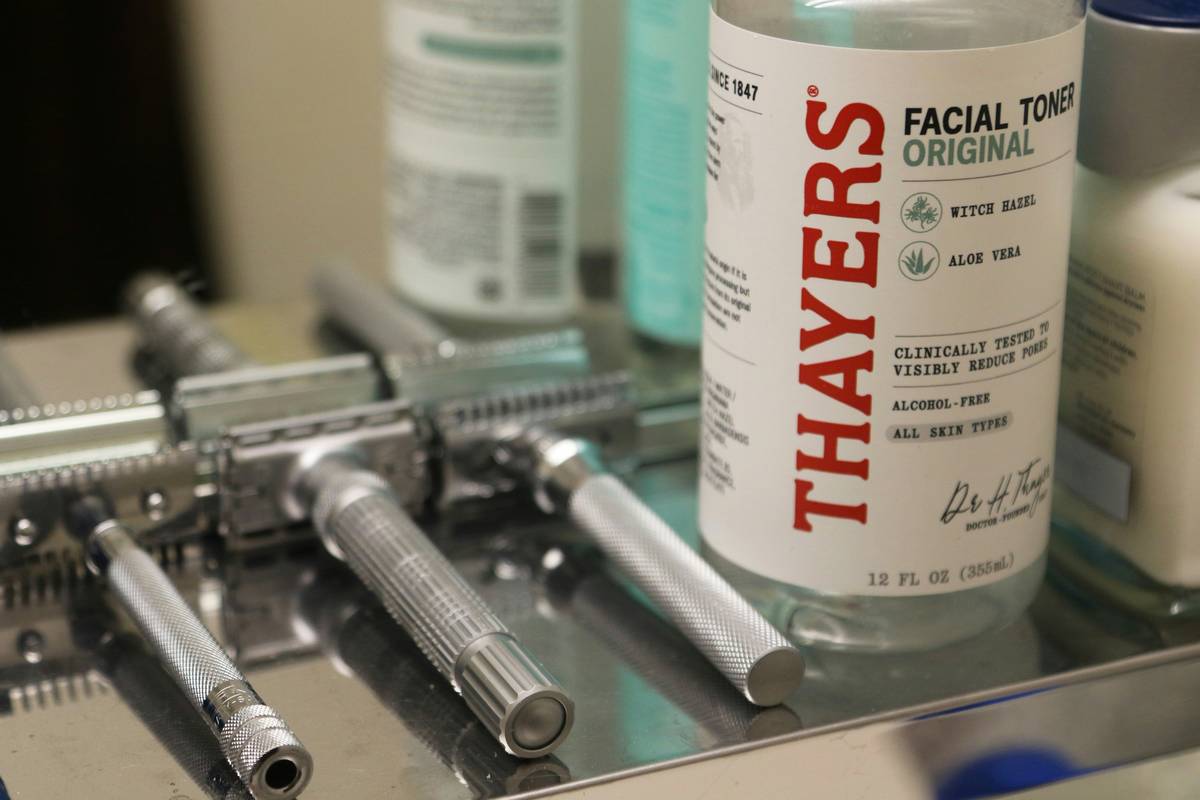
| Witch Hazel Toner Type | Alcohol Content | Best For | Frequency |
|---|---|---|---|
| Pure Distillate (Undiluted) | 10–15% | Oily, acne-prone (non-sensitive) | 1–2x/week max; spot use only |
| Alcohol-Free Blend | 0% | All skin types, including reactive | Daily (AM/PM) |
| DIY Diluted Mix (50/50 with rosewater) | 5–7% (approx.) | Combination skin | Every other day |
The Industry Secret: Witch Hazel Works Best Behind the Scenes
Here’s what formulators whisper in R&D labs but never advertise: witch hazel rarely shines as a solo act. Its real power emerges when it’s part of a supporting cast—buffered, balanced, and dosed at 5–10% in a formula teeming with barrier-repairing lipids and humectants. Think of it like vinegar in a vinaigrette: too much burns, but just enough lifts and refines the whole dish. Yet brands slap “witch hazel” big on labels because it sells the myth of simplicity. Meanwhile, your skin pays the price for their marketing shortcut. The math is simple: efficacy lies in synergy—not purity.
FAQ
Can witch hazel for face toner cause dryness?
Yes—if it contains high alcohol levels. Alcohol-free versions with hydrating additives won’t strip moisture.
Is witch hazel good for acne-prone skin?
It can help reduce inflammation and oil, but only in low-alcohol or alcohol-free formulas. Harsh versions worsen breakouts long-term.
Should I use witch hazel toner every day?
Only if it’s alcohol-free and your skin tolerates it. Most benefit from 2–4 uses weekly—less is often more.