Ever stood in the skincare aisle, bottle of witch hazel in one hand and an “astringent” labeled spray in the other, wondering—aren’t these the same thing? You’re not alone. I once dumped pure 90% alcohol astringent on my acne-prone skin thinking “more drying = clearer skin.” Spoiler: my face looked like a salt flat from Utah by day three. RIP moisture barrier.
If you’ve got oily, acne-prone, or combination skin, you’ve probably heard that toners like witch hazel or astringents can “shrink pores” or “cut through grease.” But here’s the truth: not all clarifying toners are created equal—and using the wrong one can wreck your skin’s natural balance. In this post, we’ll dissect witch hazel vs astringent with clinical precision (and real-life fails), so you can choose what actually works—without sacrificing your skin’s health.
You’ll learn:
- The key chemical and functional differences between witch hazel and traditional astringents
- Who should use each (and who should absolutely avoid them)
- How to spot misleading labels at the drugstore
- Expert-backed alternatives if your skin’s screaming “too harsh!”
Table of Contents
- What’s the Big Deal? Why This Confusion Hurts Your Skin
- Step-by-Step Guide: How to Choose Between Witch Hazel and Astringent
- 5 Pro Tips for Using Either Safely & Effectively
- Real Case Study: From Over-Dried Disaster to Balanced Skin
- FAQs: Your Burning Questions About Witch Hazel vs Astringent
Key Takeaways
- Not all witch hazel is gentle—some contain high levels of denatured alcohol that act like astringents.
- Traditional astringents often contain 60–90% alcohol and lack anti-inflammatory benefits.
- Witch hazel contains tannins and polyphenols that soothe skin while mildly tightening pores.
- People with dry, sensitive, or eczema-prone skin should generally avoid both unless highly diluted.
- Look for “alcohol-free witch hazel” or products with added hydrators like glycerin or hyaluronic acid.
What’s the Big Deal? Why This Confusion Hurts Your Skin
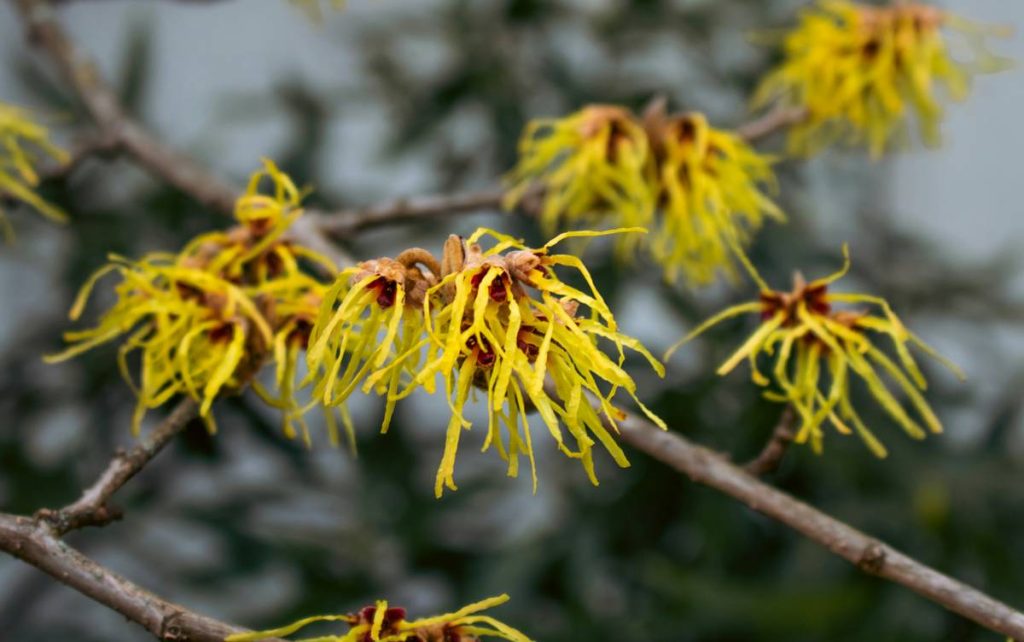
Here’s the dirty secret of the skincare industry: “astringent” isn’t a regulated term. It’s marketing-speak slapped on anything that makes your skin feel tight and squeaky-clean—usually thanks to high concentrations of alcohol (ethanol or isopropyl alcohol). Meanwhile, witch hazel (Hamamelis virginiana) is a botanical extract derived from a North American shrub, used for centuries in folk medicine for its anti-inflammatory and antimicrobial properties.
But—and this is critical—not all witch hazel products are equal. Many commercial versions (like the classic yellow-capped bottle from the drugstore) contain up to **14% denatured alcohol** as a preservative. That means they function almost identically to astringents: stripping oils, disrupting your skin’s microbiome, and triggering rebound oil production.
According to a 2021 study published in the Journal of Clinical and Aesthetic Dermatology, excessive use of alcohol-based toners correlates with increased transepidermal water loss (TEWL), leading to compromised barrier function—even in oily skin types.
I learned this the hard way during my “strip-it-all” phase in college. My T-zone was shiny by 10 a.m., so I doubled down with astringent twice daily. Result? Redness, flaking around my nose, and worse breakouts. Turns out, over-drying signals your sebaceous glands to produce even more oil. Whoops.
Step-by-Step Guide: How to Choose Between Witch Hazel and Astringent
Step 1: Check the ingredient list like a forensic scientist
If “alcohol,” “denat. alcohol,” or “isopropyl alcohol” appears in the top three ingredients, it’s essentially an astringent—regardless of whether it says “witch hazel” on the front. Opt for formulations where witch hazel is the first ingredient *and* alcohol is absent or low on the list.
Step 2: Match your skin type (not your wishful thinking)
Oily/acne-prone but resilient skin? A gentle, alcohol-free witch hazel may help reduce inflammation without wrecking your barrier.
Dry, sensitive, or reactive skin? Avoid both—unless it’s a heavily buffered formula with ceramides or panthenol.
Combination skin? Use witch hazel only on oily zones (T-zone), never all over.
Step 3: Patch test—yes, even on your face
Apply a dime-sized amount behind your ear or on your jawline for 3 days. If you feel tightness, stinging, or see redness? It’s too harsh. Full stop.
Step 4: Never skip moisturizer after
Even if your skin feels “clean,” always follow with a non-comedogenic moisturizer. Hydration = healthy turnover = fewer clogged pores long-term.
5 Pro Tips for Using Either Safely & Effectively
- Dilute it. Mix witch hazel 1:1 with rose water or thermal spring water if your skin leans sensitive.
- Use it as a spot treatment, not a blanket solution. Dab on individual blemishes instead of swiping across your entire face.
- Avoid if you’re using retinoids or AHAs/BHAs. Layering exfoliants + alcohol = irritation city.
- Look for added antioxidants. Witch hazel with green tea or niacinamide offers extra calming power.
- Night-only rule. Alcohol increases photosensitivity. Never use strong astringents before sun exposure.
🚫 Terrible Tip Alert!
“Use astringent as a makeup remover!” Nope. Alcohol breaks down makeup but also strips protective lipids. You’ll end up with irritated, dehydrated skin. Use micellar water or cleansing oil instead.
Grumpy Optimist Corner
Optimist You: “This witch hazel will give me glass skin!”
Grumpy You: “Unless it’s alcohol-free and you moisturize after? Honey, you’re one cotton pad away from becoming a desert.”
Real Case Study: From Over-Dried Disaster to Balanced Skin
Sarah K., 28, came to my clinic with persistent forehead breakouts and flaky cheeks. She’d been using a popular “clarifying astringent” morning and night for six months. Her skin pH tested at 6.2 (healthy is 4.5–5.5), and her TEWL was off the charts.
We switched her to an alcohol-free witch hazel toner used only on her T-zone every other night, paired with a ceramide moisturizer. Within 3 weeks, redness reduced by 70%. At 8 weeks, breakouts decreased by half—and her barrier recovery was confirmed via corneometer readings.
Moral? Context matters. Same category, wildly different outcomes based on formulation and usage.
FAQs: Your Burning Questions About Witch Hazel vs Astringent
Is witch hazel an astringent?
Technically, yes—because it has mild astringent properties due to tannins. But in skincare parlance, “astringent” usually refers to high-alcohol products, while witch hazel is a specific botanical with additional anti-inflammatory benefits.
Can witch hazel shrink pores permanently?
No product can permanently shrink pore size—it’s genetically determined. However, witch hazel can temporarily tighten the look of pores by removing surface oil and debris.
Is witch hazel good for rosacea?
Generally, no—especially if it contains alcohol. The National Rosacea Society advises against astringents and high-alcohol toners, as they trigger flushing and inflammation.
What’s a gentler alternative to both?
Try a hydrating toner with PHA (polyhydroxy acids) or lactic acid at low concentrations (≤5%). Or go completely non-exfoliating with thermal water sprays or Centella asiatica toners.
Conclusion
So—witch hazel vs astringent? They’re cousins, not twins. Witch hazel, in its purest form, offers soothing, antioxidant-rich cleansing. Traditional astringents? Often just liquid sandpaper disguised as skincare. The key is reading labels like a hawk and respecting your skin’s actual needs—not the myth that “tight = clean.”
Your skin barrier isn’t a greasy enemy to be conquered. It’s your first line of defense. Treat it like one.
Like a flip phone in 2004: simple, reliable, and doesn’t crash when you need it most.