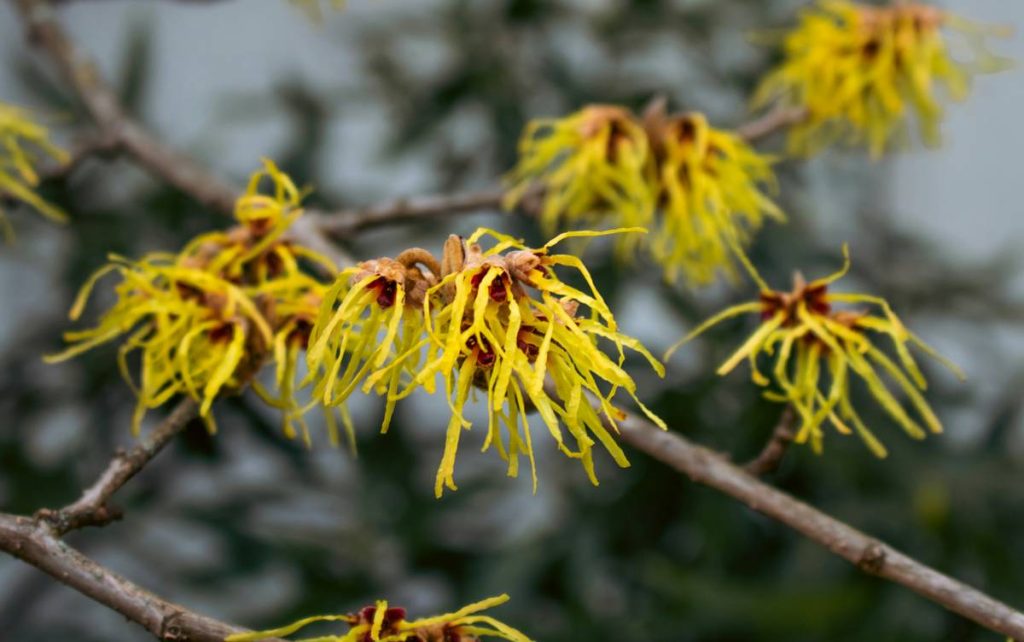
Most astringents promise clarity but deliver redness, tightness, and that awful stinging sensation. You rinse your face feeling “clean”—but also stripped, irritated, maybe even flaking by noon. And if you’ve got sensitive or reactive skin? Forget it. Thayers Witch Hazel Astringent flips the script. Alcohol-free, plant-powered, and backed by decades of real-world use—it’s the rare natural toner that balances efficacy with gentleness.
Why Most Natural Astringents Fail (Even the “Gentle” Ones)
Witch hazel on its own is potent—too potent for daily use in raw form. Many brands dilute it with denatured alcohol to cut costs and boost shelf life. Big mistake. That alcohol evaporates fast, yanking moisture from your pores and triggering rebound oil production. Your skin overcompensates. Breakouts return within days. Worse, chronic barrier disruption sets in. You’re not treating acne—you’re creating the perfect storm for sensitivity and inflammation.
And don’t get me started on “fragrance-free” labels hiding synthetic masking agents. They’re everywhere.
How to Use Thayers Witch Hazel Astringent Correctly—Step by Step
This isn’t just swipe-and-go. Precision matters. Here’s how to maximize benefits without compromising your moisture barrier:
Step 1: Cleanse First—But Not Aggressively
Use a sulfate-free gel or cream cleanser. Hot water? Skip it. Lukewarm only. Your goal: remove surface grime without stripping sebum entirely. Over-cleansing before applying any astringent invites irritation—especially if you’re acne-prone.
Step 2: Apply to Damp Skin (Not Dry)
Counterintuitive, yes. But slightly damp skin allows for better absorption and reduces the drying tug of witch hazel. Saturate a cotton round—don’t skimp—and glide it across your T-zone or breakout zones. Avoid dragging it over cheeks if they’re dry or flaky.
Step 3: Layer Strategically—Not Immediately
Wait 60–90 seconds. Let the hamamelis water do its work: tightening pores, calming inflammation, neutralizing residue. Then, seal it in with a lightweight, non-comedogenic moisturizer. Skipping this step sabotages hydration balance long-term.

Usage Frequency Comparison Table
| Skin Type | Daily Frequency | Best Time to Use | Mistake to Avoid |
|---|---|---|---|
| Oily/Acne-Prone | Once (PM only) | After evening cleanse | Using twice daily = barrier damage |
| Combination | Every other day | Focus on T-zone at night | Applying to dry cheeks |
| Normal/Sensitive | 2–3x/week max | Post-workout or post-sweat | Skipping moisturizer afterward |

The Industry Secret Dermatologists Won’t Admit
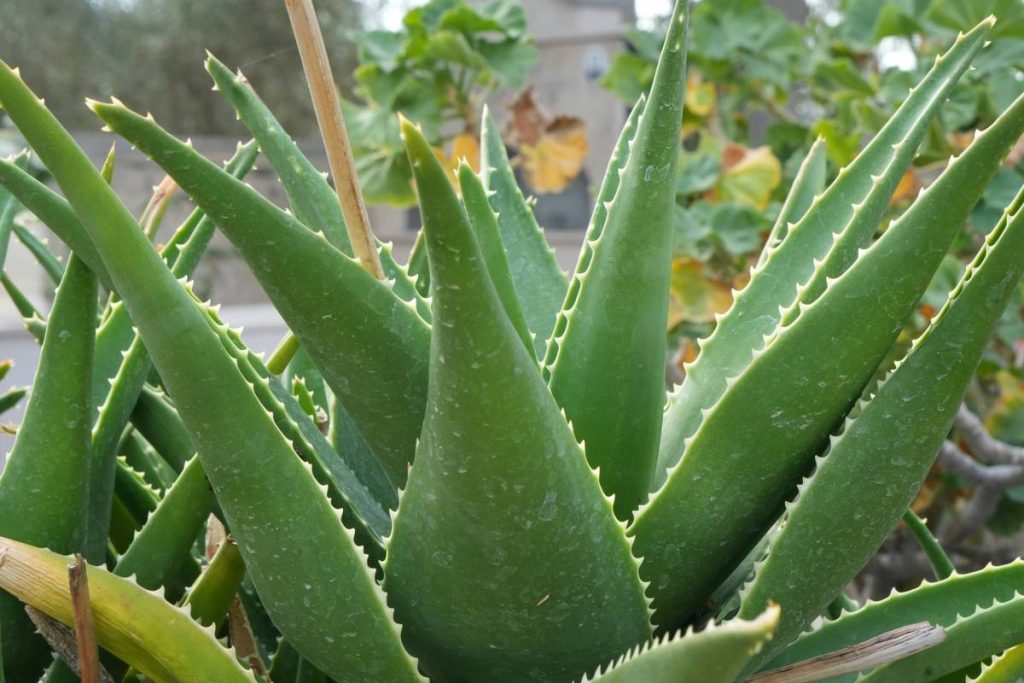
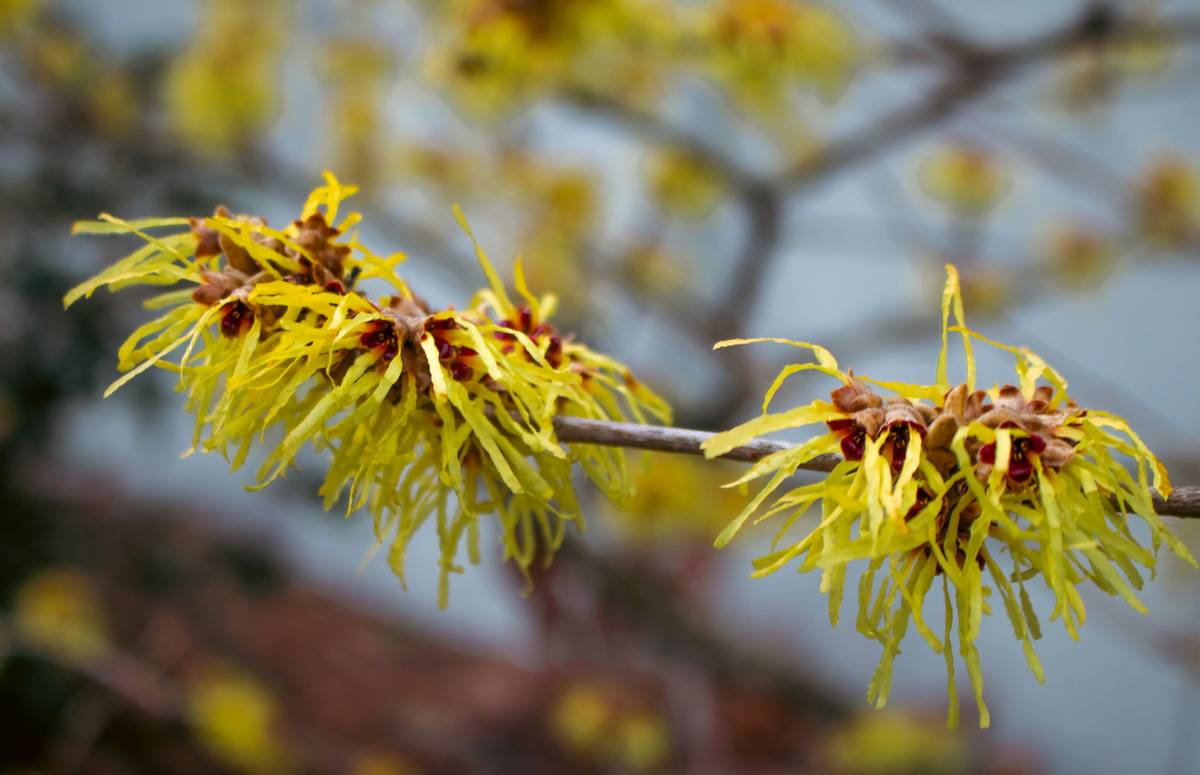
Here’s what formulators know but rarely say: Thayers’ formula works because it’s *not* pure witch hazel distillate. It’s a synergistic blend—hamamelis water + aloe vera + glycerin—that buffers the tannins responsible for excessive dryness. The original unscented version? Nearly identical to prescription-grade topical anesthetics used in clinics for post-procedure soothing—minus the steroids.
Think about it: most “natural” brands chase purity. Thayers chases function. That subtle inclusion of aloe isn’t marketing fluff—it’s biochemistry. And that’s why nurses have kept bottles in ER trauma kits for decades. This isn’t just skincare. It’s functional first aid for inflamed, congested skin.
Frequently Asked Questions
Is Thayers Witch Hazel Astringent safe for rosacea?
Only the alcohol-free, unscented version—and spot-test first. Avoid mint or rose variants. Many with mild rosacea tolerate it well when used 1–2x/week on flare zones only.
Can I use it as a makeup setting spray?
No. Despite internet hacks, it’s not formulated for misting over makeup. Evaporation can crack foundation and cause patchiness. Stick to dedicated setting sprays.
Does Thayers Witch Hazel Astringent expire?
Yes. Check the lot number. Unopened: 2 years. Opened: 12 months. Discard if it smells sour or develops cloudiness—natural extracts aren’t preservative-proof forever.