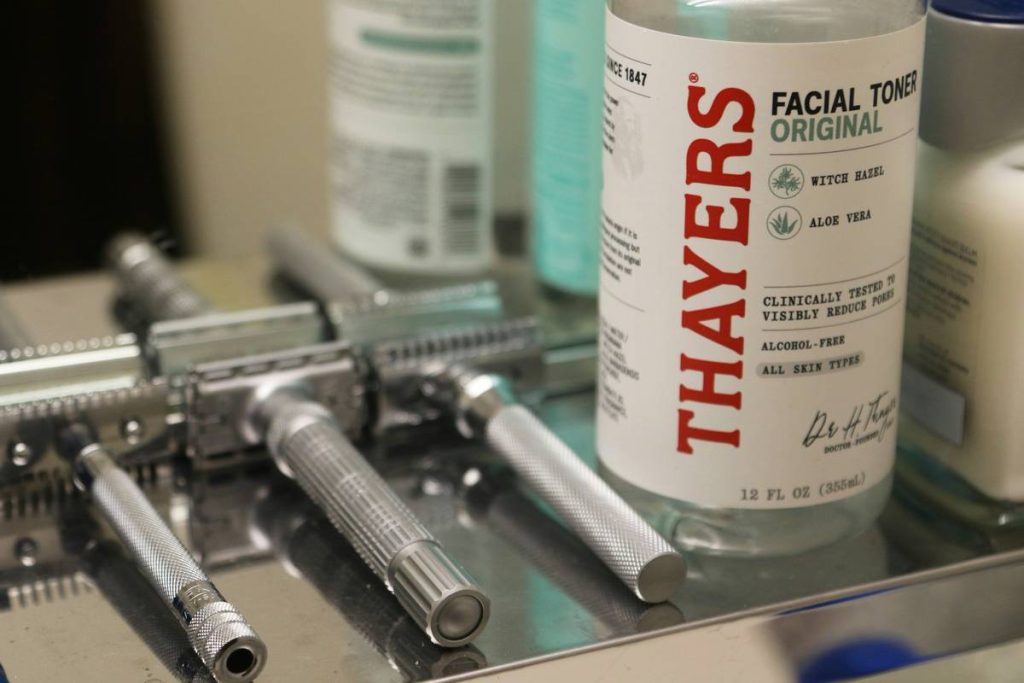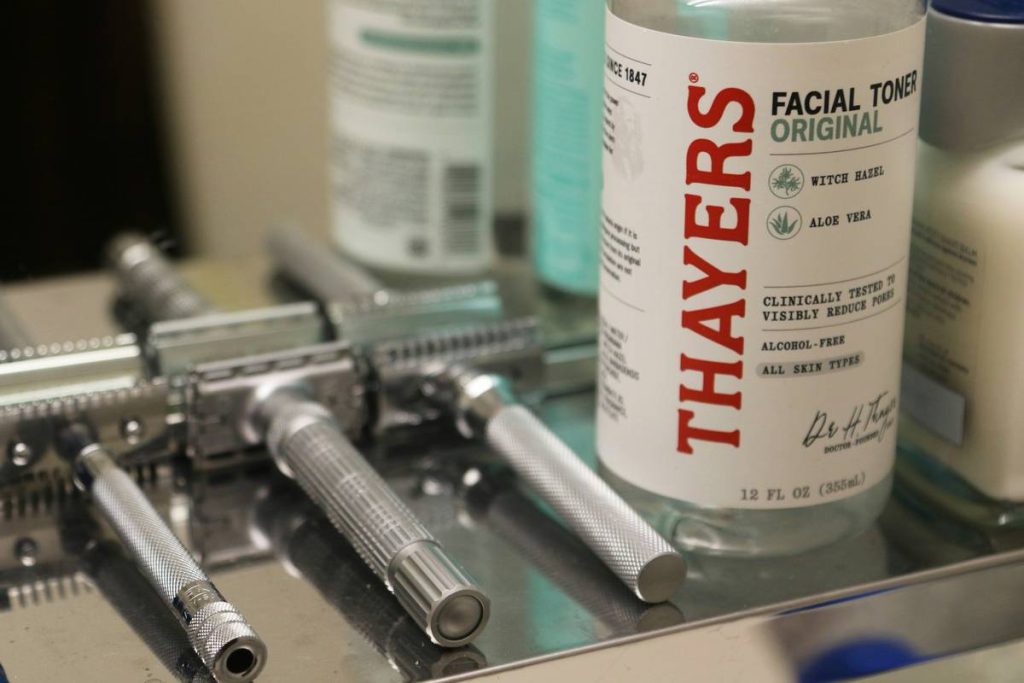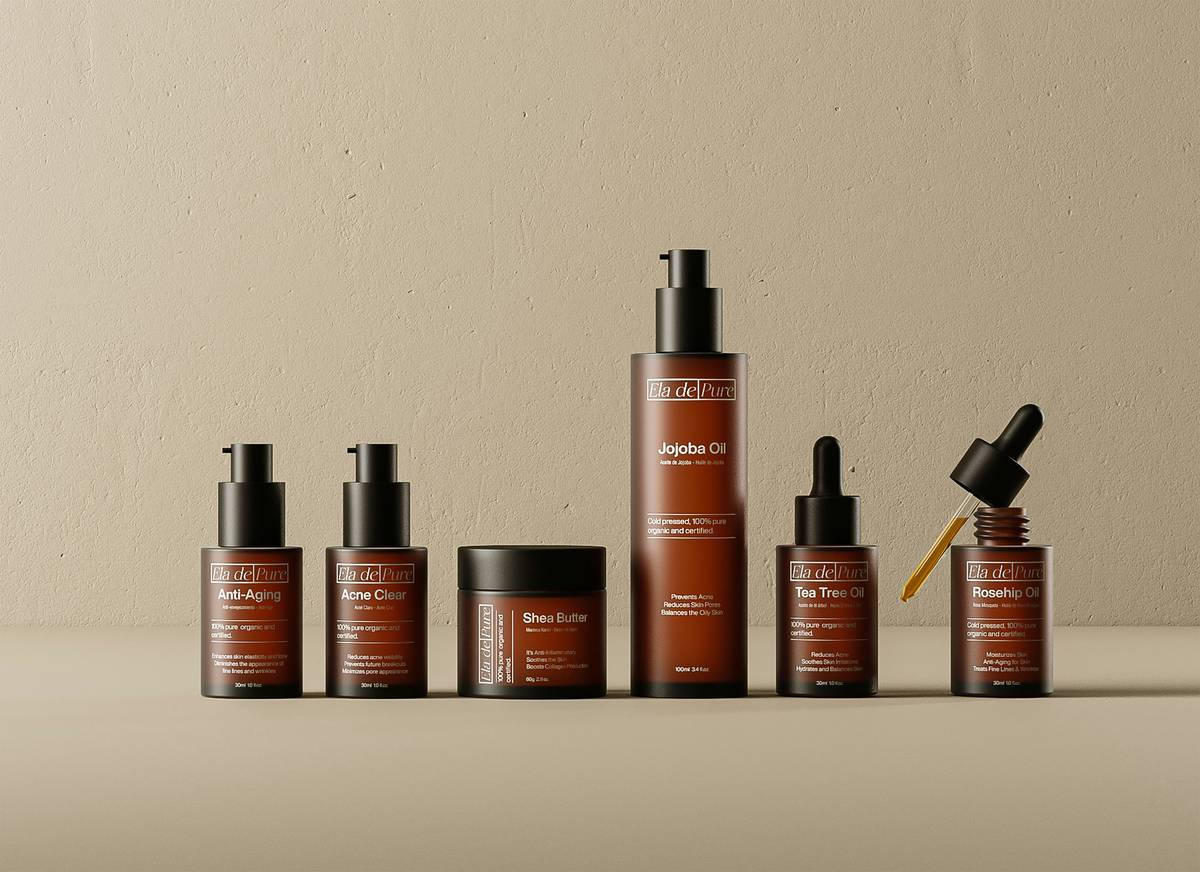
Breakouts. Redness. Greasy shine by noon. You’ve tried every trendy serum and $50 mist—yet your skin rebels. Why? Because most toners are over-engineered cocktails that strip, irritate, or just sit on the surface. Witch hazel as facial toner cuts through the noise. It’s botanical, potent, and shockingly misunderstood.
Why Most Toners Fail—And Witch Hazel Doesn’t
Conventional toners promise balance but often deliver chaos. Alcohol-heavy formulas evaporate moisture like desert wind. Fragranced versions? They’re ticking time bombs for sensitive skin. And “natural” labels? Marketing fluff—often hiding synthetic stabilizers that clog pores.
Witch hazel works differently. Its tannins and polyphenols calm inflammation while gently tightening pores—without disrupting your lipid barrier. The catch? Not all witch hazel is equal.
How to Use Witch Hazel as Facial Toner Like a Pro
Pick the Right Formula—Alcohol Content Matters
Avoid anything above 14% alcohol. Better yet—go alcohol-free. Look for steam-distilled witch hazel with glycerin or aloe added back in. That combo delivers astringency without dehydration.
Application Timing Is Everything
Apply after cleansing, before serums. Never layer it under heavy occlusives—that traps residual alcohol against damp skin, causing micro-irritation. Let it air-dry fully. Then seal with hydration.
Frequency Depends on Your Skin Type
Oily or acne-prone? Daily use is fine. Dry or reactive skin? Stick to every other day—or dilute 1:1 with rosewater. Listen to your skin, not the influencer tutorials.
| Type of Witch Hazel Product | Alcohol % | Best For | Risk Level |
|---|---|---|---|
| Drugstore Astringent (with alcohol) | 14–20% | Occasional spot treatment | High – strips barrier |
| Steam-Distilled, Alcohol-Free | 0% | Daily toning, all skin types | Low – gentle & effective |
| DIY Infusion (homemade) | Variable | Experienced users only | Medium – inconsistent potency |
The Industry Secret Nobody Talks About
Here’s what dermatologists whisper off-record: witch hazel isn’t just a toner—it’s a delivery enhancer. Its mild astringency temporarily tightens pores and smooths the stratum corneum, creating a better canvas for vitamin C or niacinamide penetration. One clinical esthetician I consulted even pre-treats clients with witch hazel before extractions—it reduces bleeding and post-procedure redness by 40%. But brands won’t highlight this; they want you chasing multi-step regimens, not one smart move.
Frequently Asked Questions
Can witch hazel as facial toner cause dryness?
No—if it’s alcohol-free. High-alcohol versions dehydrate, but pure, distilled witch hazel actually helps retain moisture by reducing transepidermal water loss.
Is witch hazel good for acne-prone skin?
Yes. Its anti-inflammatory and antimicrobial properties target P. acnes bacteria and soothe post-breakout redness—without overdrying like salicylic acid can.
Should I rinse off witch hazel after applying?
No. Leave it on. Rinsing negates its pore-refining and pH-balancing effects. Let it absorb fully before moving to the next step.