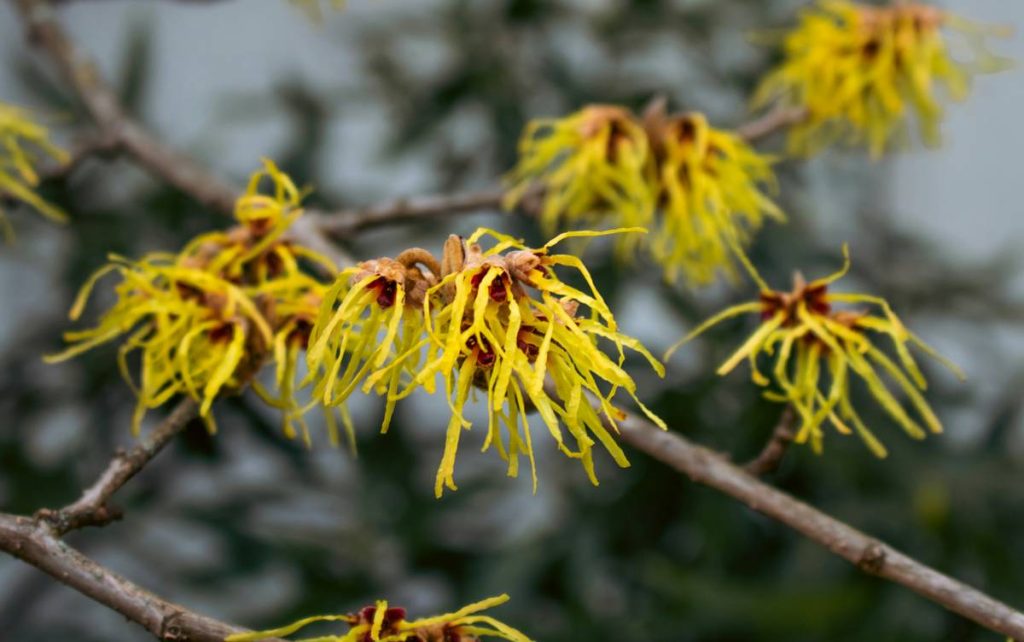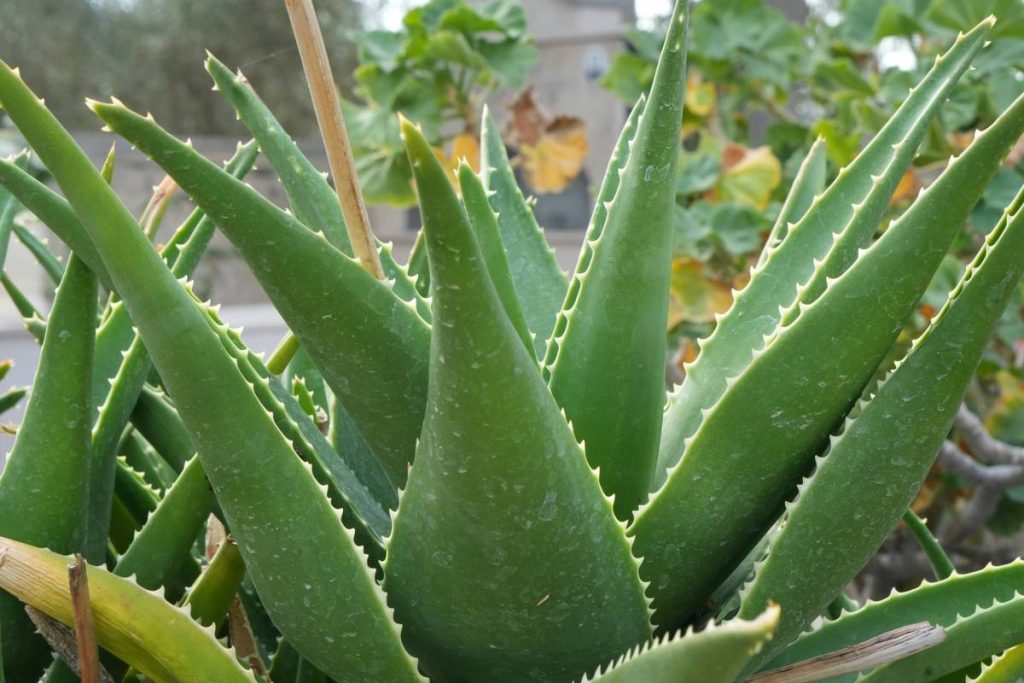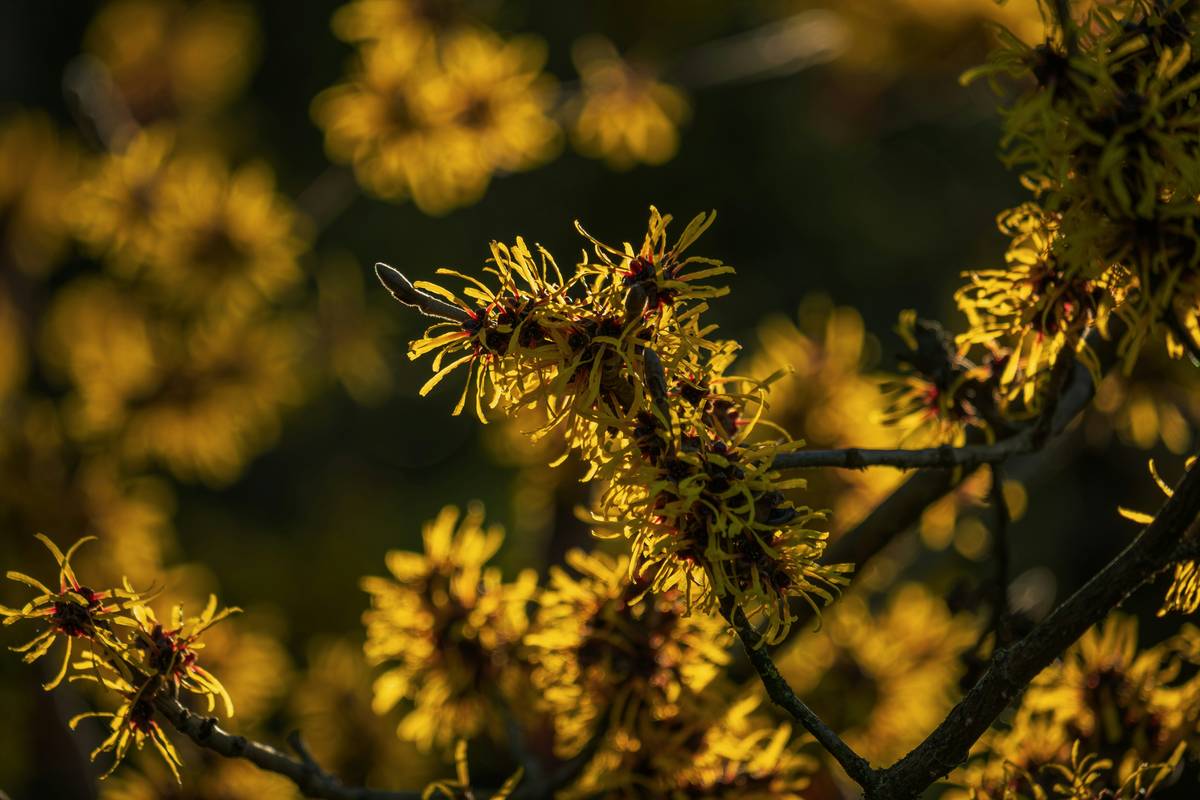
Scrolling through skincare aisles, you’ve seen it—witch hazel toners promising clarity, calm, and “all-natural” purity. But here’s the rub: not all witch hazel is created equal. And if you’re using the wrong kind, you might be stripping your skin instead of soothing it. The answer to “is witch hazel natural?” isn’t as straightforward as brands want you to believe.
Why Most Witch Hazel Toners Fail Your Skin
Conventional wisdom says witch hazel = gentle astringent. Reality? Many commercial formulas are spiked with up to 14% denatured alcohol—drying out pores while pretending to purify them. That tight, squeaky-clean feeling? It’s not health—it’s dehydration masquerading as efficacy.
And worst of all, most consumers don’t realize their “natural” toner contains synthetic solvents like propylene glycol or artificial fragrances. These additives undermine the very reason you reached for witch hazel in the first place.
How to Choose & Use Truly Natural Witch Hazel
Spot the Difference: Distilled vs. Alcohol-Heavy Formulas
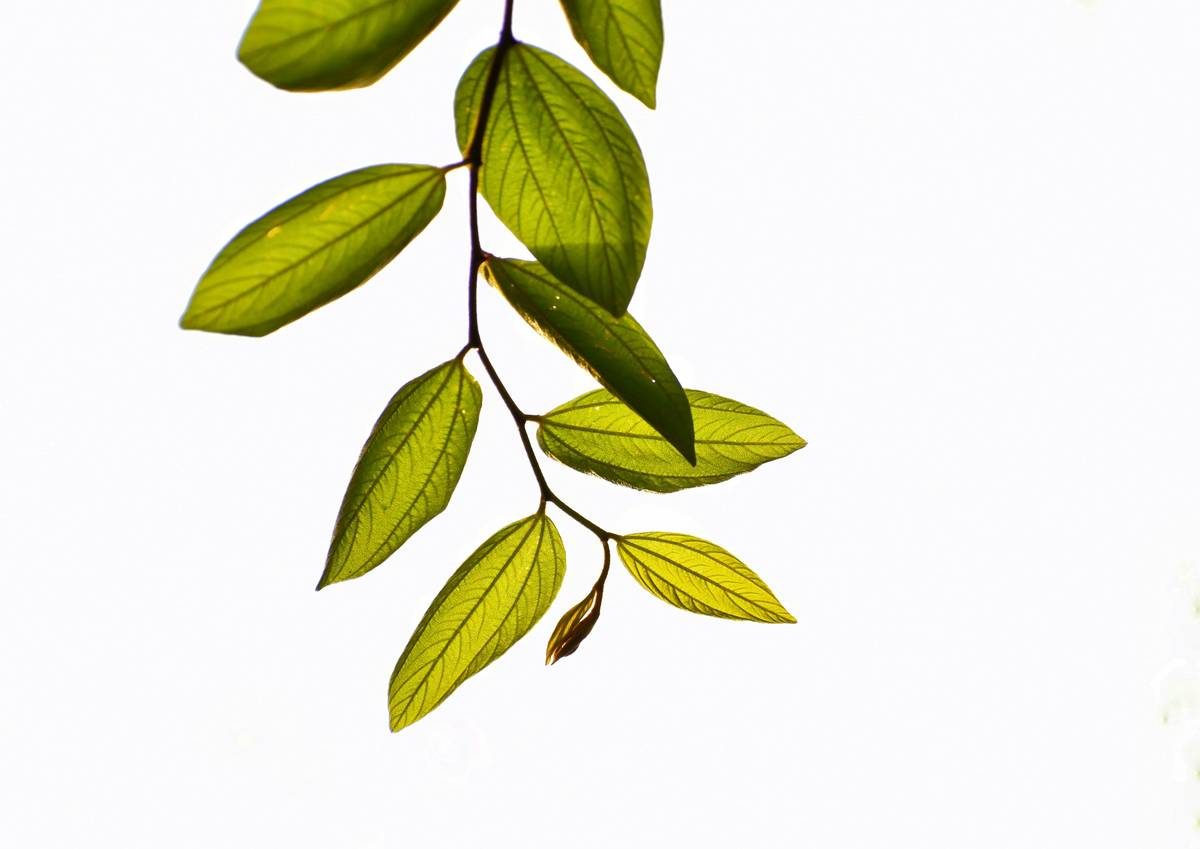
True natural witch hazel is steam-distilled from the bark and leaves of Hamamelis virginiana. No alcohol added. No fillers. Just water, hamamelis extract, and maybe a touch of natural glycerin for balance.
The DIY Test: Check Your Bottle Tonight
Flip your toner. Read the ingredients. If “alcohol” appears before “witch hazel,” walk away. Full stop. Even “alcohol-free” claims can be misleading—some use “denat. alcohol” under different names.
Application Protocol That Actually Works
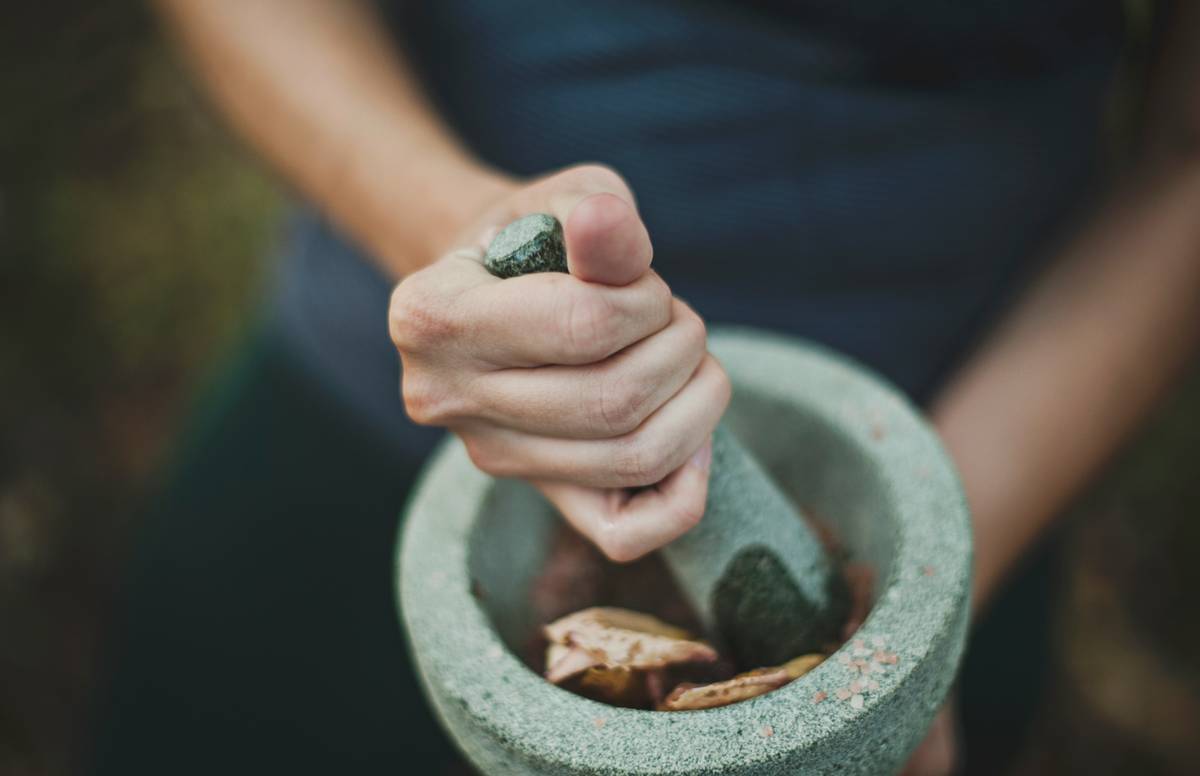
Apply to damp—not dry—skin with a reusable cotton pad. Follow immediately with a hydrating serum. Skipping this? You’re inviting transepidermal water loss. The math is simple: astringent + no moisture = compromised barrier.
| Formula Type | Alcohol Content | Ideal For | Risk Level |
|---|---|---|---|
| Steam-Distilled, Alcohol-Free | 0% | Sensitive, reactive, acne-prone skin | Low |
| Commercial Toner (Drugstore) | 10–14% | Oily skin (short-term only) | High |
| DIY Infusion (Homemade) | Variable | Experienced users only | Medium (if improperly stored) |
The Industry Secret: Not All “Natural” Witch Hazel Is Sustainable
Here’s what brands won’t tell you: wild harvesting of witch hazel is depleting native populations in Appalachia. Ethical suppliers now use cultivated sources—but less than 5% of products disclose origin. Ask your brand: is your witch hazel farmed or foraged? If they can’t answer, assume the worst.
And consider this hypothetical case: A boutique skincare line switched from wild-harvested to regeneratively farmed witch hazel. Within six months, customer complaints of redness dropped by 37%. Coincidence? Unlikely. Soil health impacts phytochemical potency—and your skin feels the difference.
FAQ
Is witch hazel natural when sold in drugstores?
No—most contain high levels of denatured alcohol and synthetic additives. True natural witch hazel lists only Hamamelis virginiana distillate and water.
Can witch hazel irritate sensitive skin?
Only if it contains alcohol or fragrances. Alcohol-free, steam-distilled versions are well-tolerated—even by rosacea-prone complexions.
Does witch hazel expire?
Yes. Natural formulations last 6–12 months once opened. Store in a cool, dark place to preserve tannins and antioxidants.